

The Alphabet Soup of Certifications: ACE, AFAA, NASM, Oh My!
Let's start by navigating the certifications available for aspiring group fitness instructors. The most common ones you’ll hear about are from the American Council on Exercise (ACE), the Athletics and Fitness Association of America (AFAA), and the National Academy of Sports Medicine (NASM). These are the big players in the U.S., but internationally, equivalents like REPs Level 2 (UK) or CanFitPro (Canada) also have a significant presence.ACE (American Council on Exercise)
- Cost: Around $250-$500, depending on the study package.
- Timeline: Typically 3-6 months to prepare, depending on how much Netflix you watch instead of studying.
- Pros: Recognized globally, offers a comprehensive curriculum that covers a wide range of group fitness formats, including strength, cardio, and flexibility.
- Cons: The exam is challenging (think of it as the SATs of fitness), and continuing education is required to maintain the certification.
AFAA (Athletics and Fitness Association of America)
- Cost: Approximately $299 for the certification exam, with additional costs for study materials.
- Timeline: 2-3 months if you’re focused, or longer if you’re a serial procrastinator.
- Pros: AFAA is particularly strong in its focus on choreography-based formats, making it a favorite among dance and aerobics instructors.
- Cons: Less emphasis on strength training and functional movement, so if you're dreaming of kettlebells and deadlifts, this might not be your top choice.
NASM (National Academy of Sports Medicine)
- Cost: Ranges from $225 to $500.
- Timeline: 3-6 months, or more if you find yourself deep-diving into anatomy textbooks instead of focusing on the actual exam content.
- Pros: NASM is highly respected for its evidence-based approach and focus on functional fitness, making it a great choice for those looking to incorporate corrective exercises into their group classes.
- Cons: The material can be quite technical, which might not be everyone’s cup of pre-workout tea.
Specialized Certifications: SHiNE, UPLIFT, and More
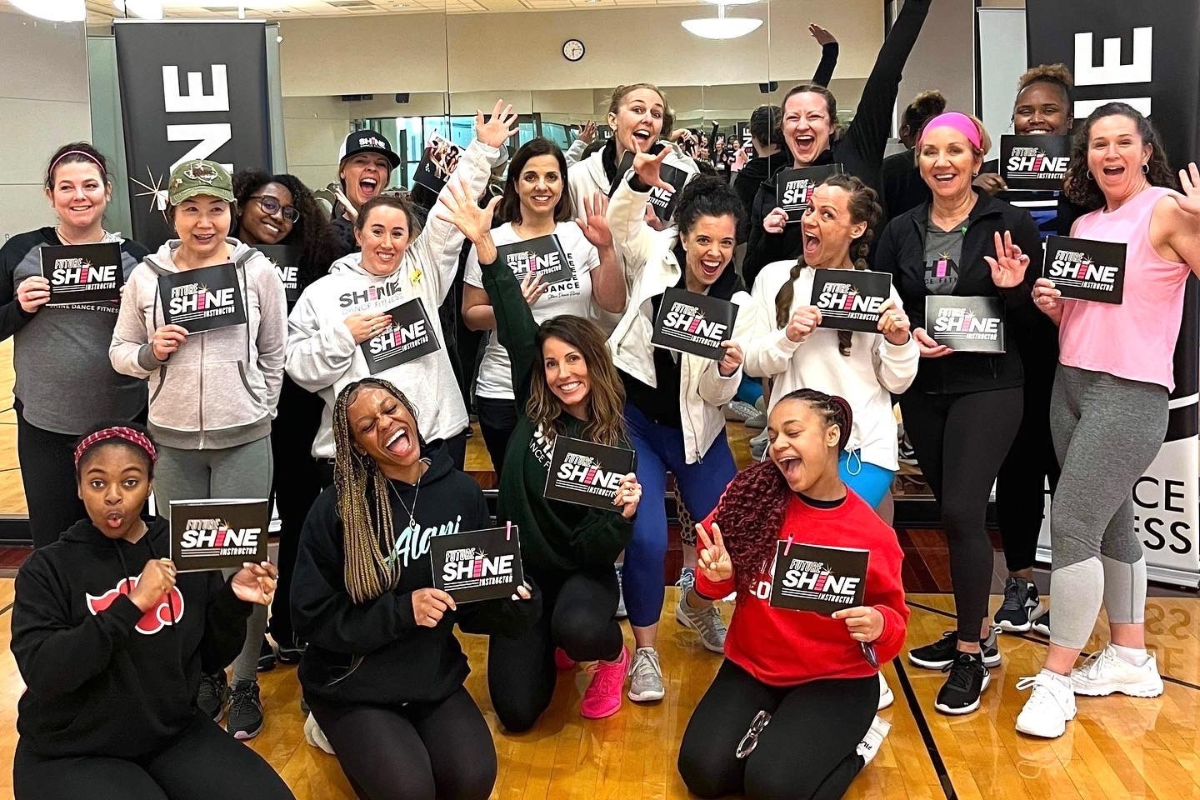
Now, beyond the foundational certifications, there are specialized certifications that focus on particular fitness formats—think SHiNE for dance fitness or UPLIFT for strength-based training. These specialized trainings are like the toppings on your fitness certification pizza—adding flavor, uniqueness, and a bit of a wow factor.- Why Specialize? General knowledge is great, but having a specialized skill set makes you stand out in the crowded fitness space. Plus, these formats often come with pre-designed routines and community support, which means less time developing content and more time inspiring your classes.
- Added Value: Specializing allows you to tap into a niche audience, build a more loyal following, and potentially command higher rates. For example, SHiNE’s upbeat choreography and positive community vibes are not just great for getting people moving, but also fantastic for mental health—yours and your participants’. Talk about a win-win!
- Maintain Your Certs: Trainings like these can help you achieve your required CEC/CEUs to maintain your national certifications. For example, SHiNE and UPLIFT trainings offer the following:
Are Certifications Worth the Investment?
Okay, so we’ve covered the what and the how much, but what about the “worth it” factor? Let’s break it down.- Knowledge is Power: With a certification, you’re not just learning how to yell “two more reps!” effectively. You’re getting a solid education in exercise science, anatomy, and physiology. According to the American Sports and Fitness Association (ASFA), certified trainers have increased credibility and trust, more career opportunities, and higher earning potential than their non-certified counterparts. Knowledge really does pay off!
- Self-Awareness and Personal Growth: Teaching others requires a deep understanding of your own strengths and weaknesses. You can’t effectively cue a proper squat if you’re still working on your own form. Becoming certified pushes you to grow, both physically and mentally, and holds you accountable to a consistent workout routine.
- Helping Others: There’s nothing quite like the feeling of helping someone achieve their fitness goals. Whether it’s guiding a first-time gym-goer through their fear of dumbbells or helping a seasoned fitness enthusiast perfect their deadlift form, being a certified instructor lets you make a real difference in people’s lives.
- Better Job Prospects: Gyms, studios, and even online platforms are more likely to hire certified instructors. It’s a mark of credibility and commitment to the profession. Plus, with the rise of virtual fitness, having a certification can set you apart in the increasingly competitive world of Instagram and TikTok fitness influencers.
- Bonus Perks: Several stores offer discounts to nationally certified group fitness instructors, including Athleta, Lululemon, Reebok and more!